PRMA - Traditional Mastectomy - Banner

Traditional Mastectomy

What is a Traditional Mastectomy?

A traditional mastectomy, sometimes referred to as a simple or total mastectomy, involves the removal of tissue in the breast, including the nipple and areola. It’s one of the most common forms of mastectomy and is usually recommended when the size, location, or type of the tumor impedes the ability to preserve the nipple, or when there's cancer involvement near or within the nipple area.

Unlike a nipple-sparing mastectomy, which preserves the skin and nipple for reconstruction, a traditional mastectomy prioritizes removing as much breast tissue as possible to ensure the most comprehensive treatment.
PRMA -  What is a Traditional Mastectomy_

Key Information

  • Removes as much breast tissue as possible, including the nipple and areola 
  • Often recommended when cancer is very close to or involves the nipple
  • As with other types of mastectomy, it can be performed as a preventive measure (prophylactic mastectomy) for high-risk patients
  • Can be combined with any type of reconstruction
  • Suitable for patients not eligible for nipple-sparing or hidden scar approaches

What to Expect During a Traditional Mastectomy

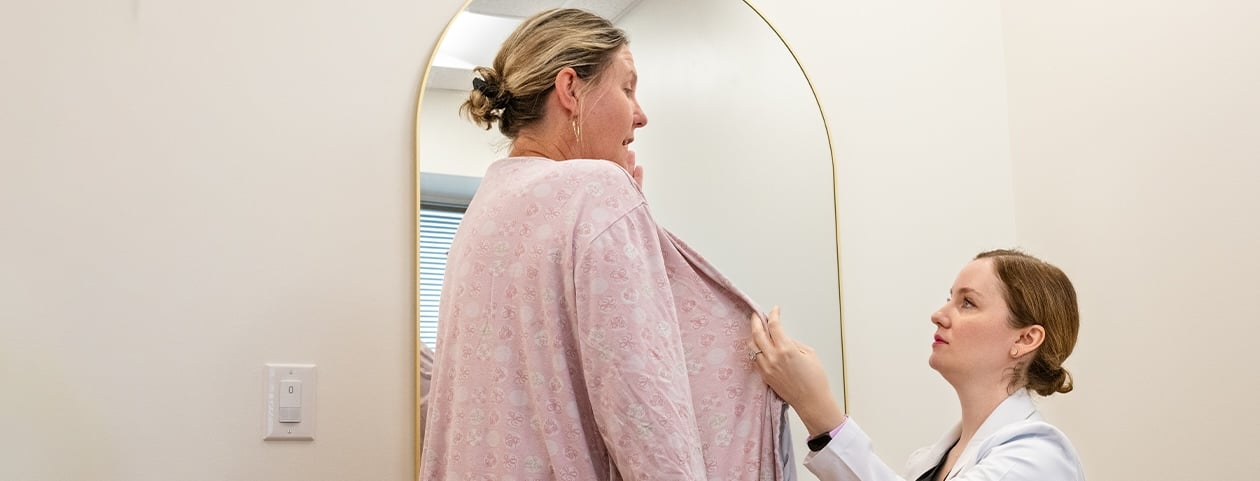
During a traditional mastectomy, your surgeon will begin by making an incision across the breast. Through this incision, they carefully remove the breast tissue, including the nipple and areola. If needed, the surgeon may also remove nearby lymph nodes to check for cancer spread. 

Once all necessary tissue is removed, the area is prepared for closure or, if you're having immediate reconstruction, the reconstructive surgeon will immediately begin that portion of the procedure, using either a tissue expander, implant, or natural tissue.

The duration of the surgery will depend on whether you are undergoing a mastectomy alone or if you are having reconstruction. If reconstruction is involved, the type of reconstruction will also factor in. In either case, total surgery time can therefore vary from one hour to several hours.
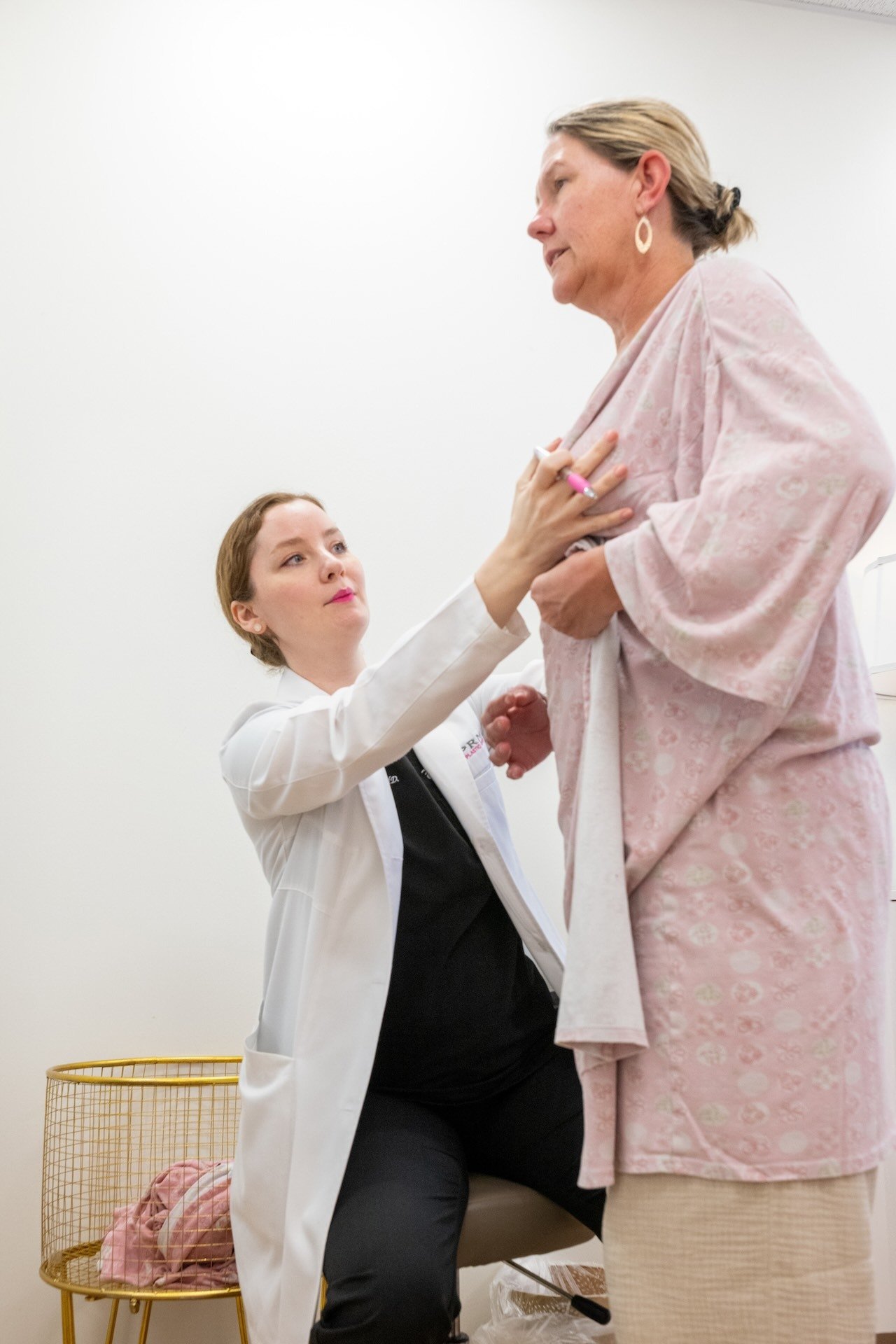
PRMA -Traditional Mastetctomy - What to expect during a Traditional Mastetctomy
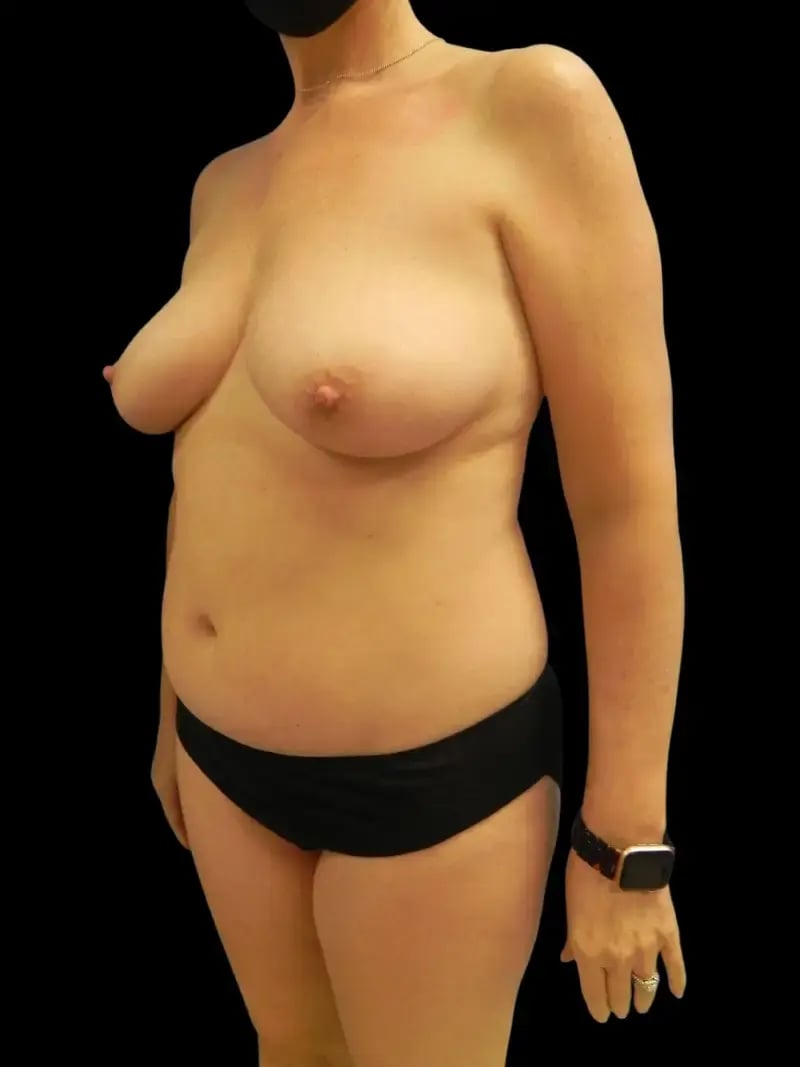
real prma transformations

Before & After

See real results from women who’ve trusted PRMA with their reconstruction journey.
Before img-1
Before img-1
Procedure: Bilateral Mastectomy with Immediate High Definition DIEP Flap Breast Reconstruction
Before img-1
Before img-1
Procedure: Bilateral Mastectomy with Immediate High Definition DIEP Flap Breast Reconstruction
Before img-1
Before img-1
Procedure: Bilateral Mastectomy with Immediate High Definition DIEP Flap Breast Reconstruction
Before img-1
Before img-1
Procedure: Bilateral Mastectomy with Immediate High Definition DIEP Flap Breast Reconstruction

Recovery Timeline for Traditional Mastectomy Only

  • Week 1:
    Most patients return home the same or the next day, and pain is managed with medication. Still, expect some soreness, swelling, and fatigue. 
  • Weeks 2-3:
    By the second week, swelling and discomfort will gradually improve. You’ll begin gentle movements and activity as advised, but still need to avoid lifting, reaching, or strenuous tasks. 
  • Weeks 4-6:
    Most patients are cleared to return to non-strenuous daily routines about a month after surgery, and may begin light stretching exercises. Incisions continue to heal, and energy levels steadily improve. 
  • Weeks 6 and Beyond:
    By this time, you’ll likely return to most normal activities, though healing continues internally for several months. 

Is a Traditional Mastectomy Right for Me?

Choosing the right type of mastectomy depends on many factors—your diagnosis, anatomy, and personal preferences. 

In general, you may be a good candidate for a traditional mastectomy if:

  • Cancer is located near or involves the nipple or skin
  • You are not eligible for a nipple-sparing mastectomy
  • You’ve had previous breast surgeries or radiation that limit other options
  • You prefer a more comprehensive tissue removal approach
  • Your surgeon recommends it as the safest option for you

Find Your Surgeon

Many patients travel to PRMA from outside San Antonio for breast reconstruction. When this is the case, our team is more than happy to help coordinate care with a trusted breast surgeon in the patient’s local area so treatment and reconstruction follow a seamless, well-timed plan.

If you already have a breast surgeon in San Antonio, you can continue working with them. PRMA collaborates closely with breast surgeons to ensure reconstruction is appropriately timed and your experience is smooth, coordinated, and fully supported from start to finish.

minas-chrysopoulo
Dr. Minas Chrysopoulo
Championing Advanced Breast Reconstruction Access Nationwide
gary-arishita
Dr. Gary Arishita
Dedicated to Restoring Confidence Through Expert Reconstruction
oscar-ochoa
Dr. Oscar Ochoa
Board-Certified Plastic Surgeon & Fellow of the American College of Surgeons (FACS)
gary-arishita
Dr. Gary Arishita
Dedicated to Restoring Confidence Through Expert Reconstruction
oscar-ochoa
Dr. Oscar Ochoa
Board-Certified Plastic Surgeon & Fellow of the American College of Surgeons (FACS)

Will Insurance Cover a Traditional Mastectomy?

Under federal law, most health insurance plans are required to cover mastectomy procedures for breast cancer treatment or prevention, including any necessary reconstruction.

At PRMA, we work closely with your insurance provider to ensure coverage is clearly understood and your care is as stress-free as possible. You deserve access to the treatment that’s right for you, and we’re here to help make that happen.

For more information, visit Insurance FAQs in the patient resource center or learn more about your rights under the Women’s Health and Cancer Rights Act (WHCRA).

PRMA - Abdominal Flaps - Preparing for surgery

Preparing for Surgery

Many of our patients travel in from all parts of the country and the world for breast cancer surgery and reconstruction procedures. To help you prepare, our team will walk you through every step, from pre-op planning to travel arrangements, to ensure a smooth and supported experience.

Learn more about:

Frequently Asked Questions

Will I need to stay overnight after a traditional mastectomy?
Yes, most patients stay in the hospital for one night after surgery. Some may go home the same day, depending on individual recovery and whether reconstruction is performed at the same time.
Can I delay reconstruction after a traditional mastectomy?
Yes. Reconstruction can be performed at the same time as your mastectomy (immediate) or anytime later (delayed), depending on your treatment plan and personal preferences.
Will I have sensation in my chest after surgery?
Most patients experience numbness after a mastectomy. However, PRMA offers advanced reconstruction options like TruSense® that may help restore sensation at the time of reconstruction.
How visible will my scars be after a traditional mastectomy?
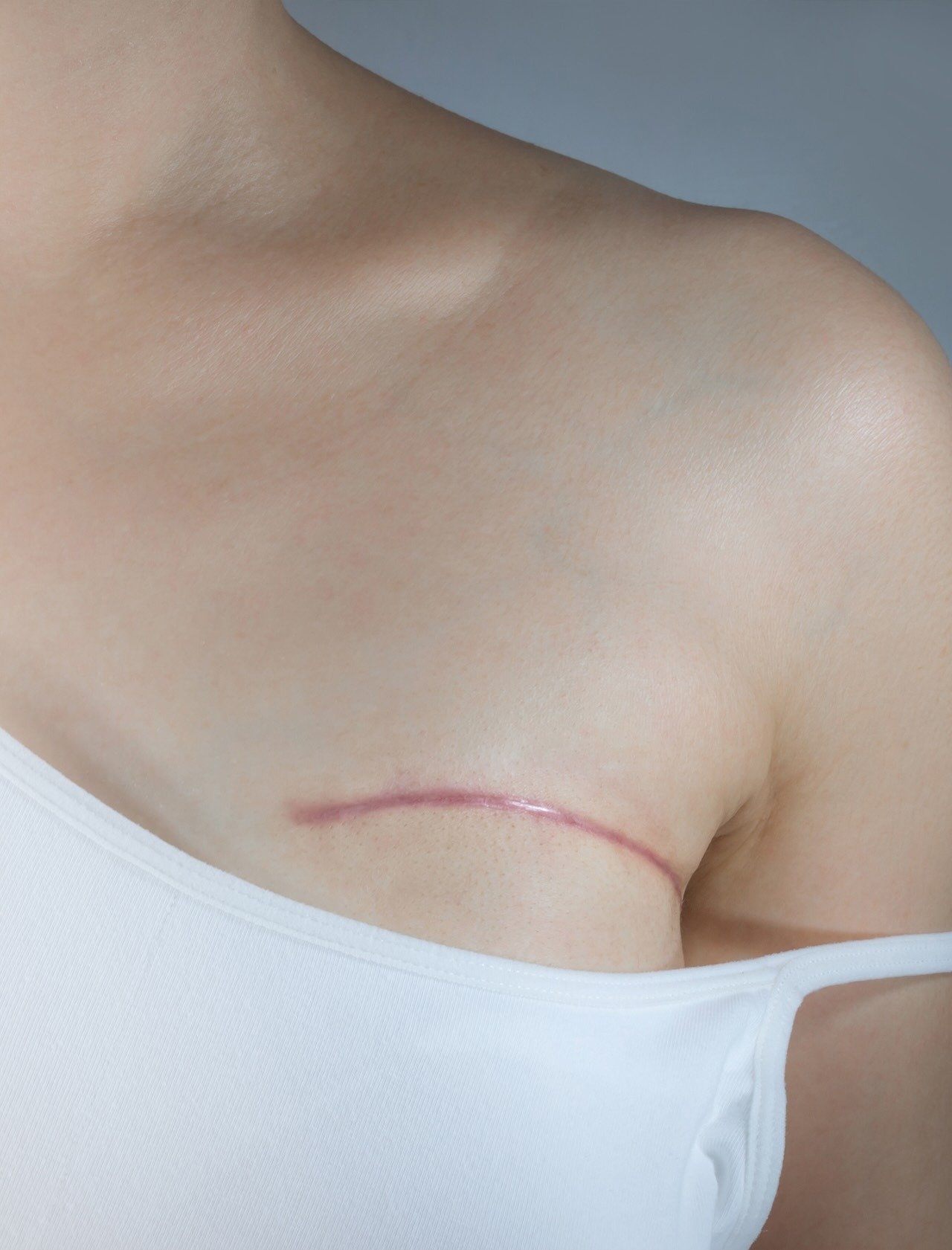
Scars are typically located across the front of the chest and will fade over time. While traditional mastectomies don’t use hidden scar techniques, your surgeon will discuss placement and appearance during your consultation.

Take the First Step Toward Healing—PRMA is Here for You