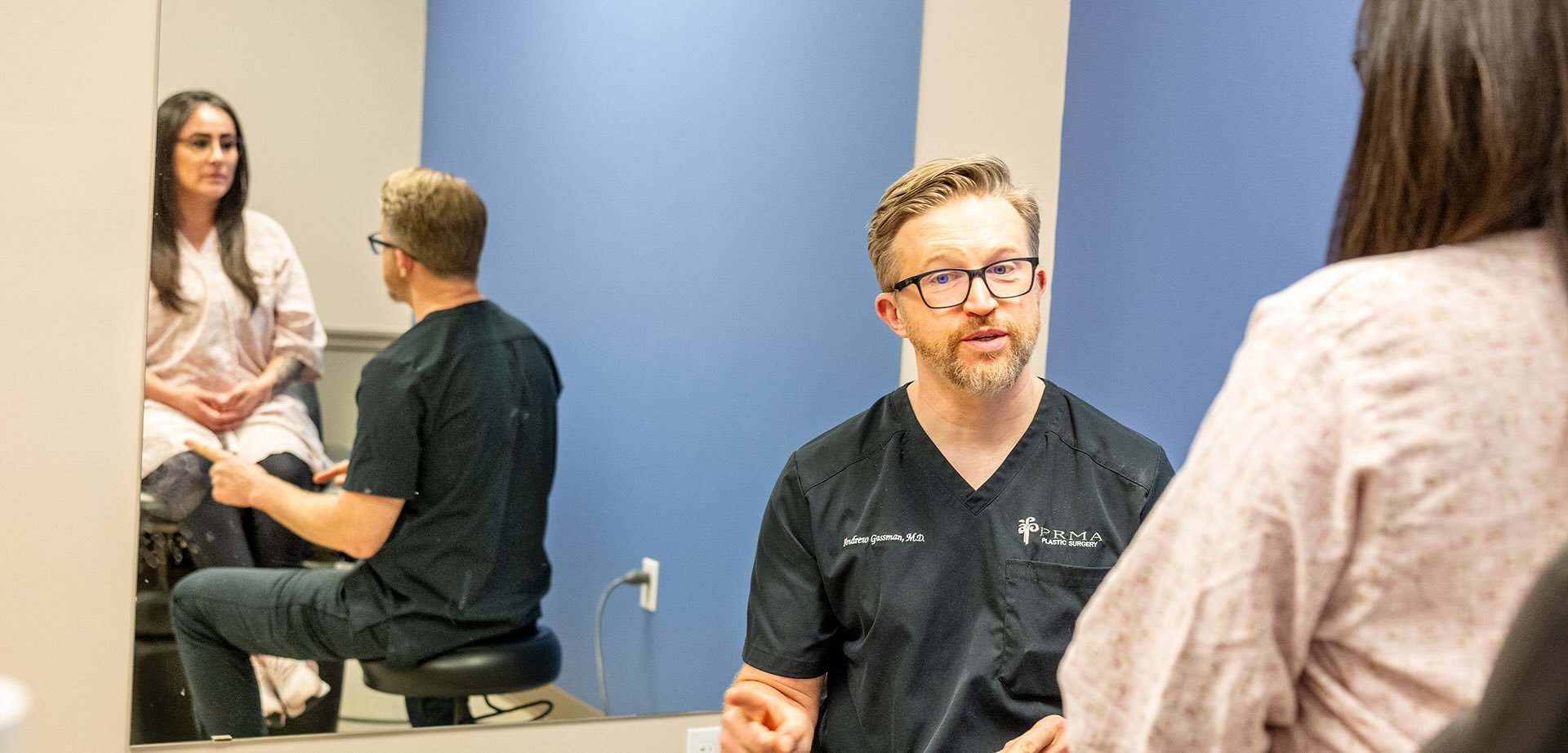
PRMA - Completion Mastectomy - Banner-1

Completion Mastectomy

What is a Completion Mastectomy?

At PRMA, we often see patients who are unhappy with their cosmetic outcome after breast conservation (lumpectomy and radiation) and are exploring reconstructive options to improve their overall cosmetic results. 

Some patients can also be left with sub-optimal results after a lumpectomy that required additional breast tissue to be removed to clear the cancer. 

In both cases, a completion mastectomy can be sought to remove the remaining breast tissue, and when combined with immediate breast reconstruction, can fully restore the breast shape. 

We understand that choosing a completion mastectomy is deeply personal. It’s not just about removing more tissue—it’s about reclaiming peace of mind. 
Key Information

  • Removes remaining breast tissue after a prior lumpectomy or partial mastectomy.
  • Often recommended if cancer returns, new abnormalities are found, or significant deformity occurs after a lumpectomy.
  • Some women choose it to reduce anxiety, discomfort, or future risk.
  • Can be performed at the same time as natural tissue or implant-based reconstruction.
  • Helps create a more balanced appearance if one breast has already been removed or reconstructed.            
  • Personalized based on your medical history, cancer risk, and long-term goals.

What to Expect During Surgery

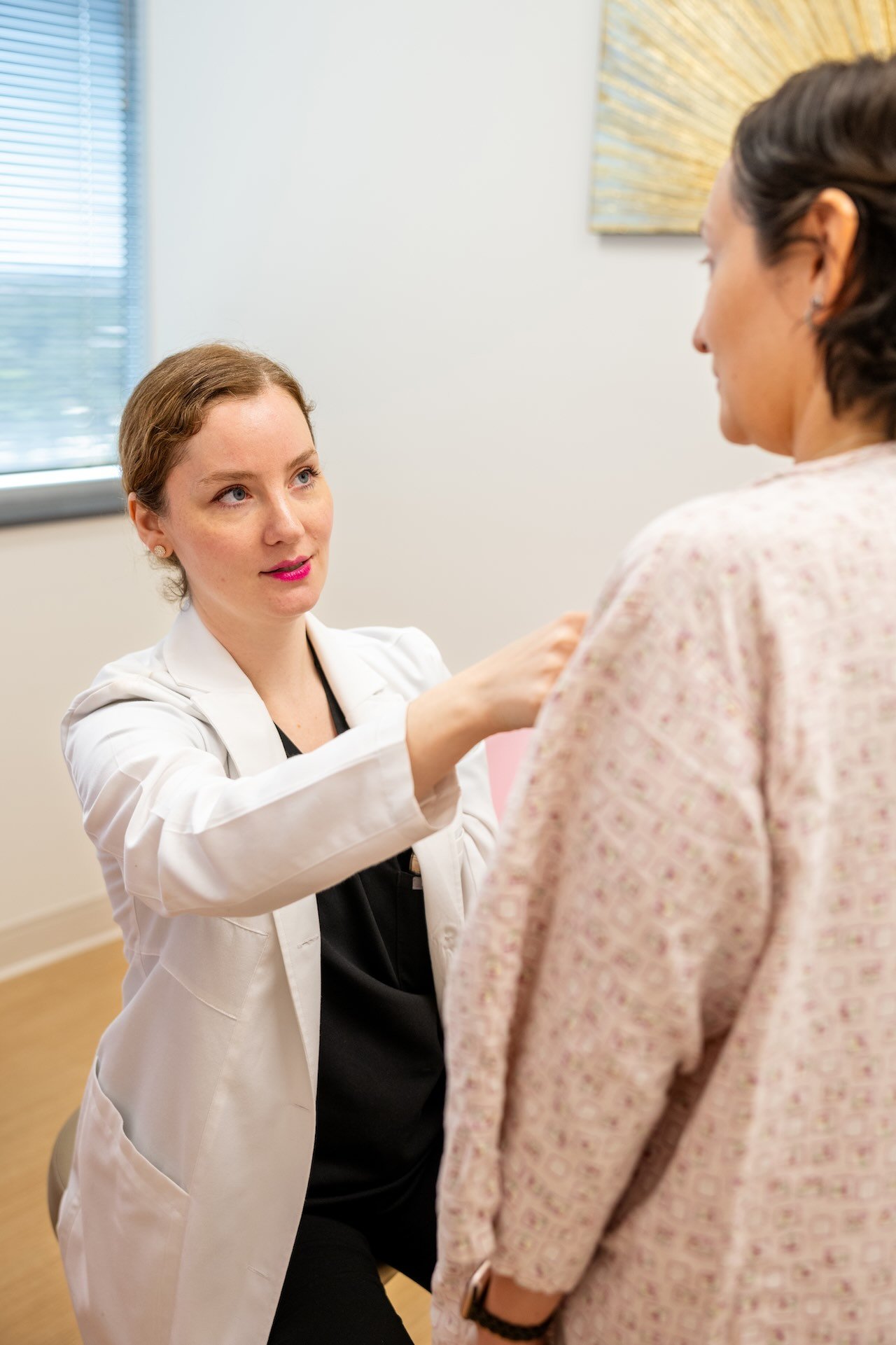
A completion mastectomy procedure is typically performed under general anesthesia and takes just a few hours, depending on whether breast reconstruction is performed at the same time. 

During surgery, any remaining breast tissue is carefully removed. If reconstruction is planned, your PRMA surgical team will proceed immediately, often using advanced natural tissue techniques like the DIEP flap or implants if previously discussed.
PRMA -Completion Mastectomy -What to Expect During Surgery
real prma transformations

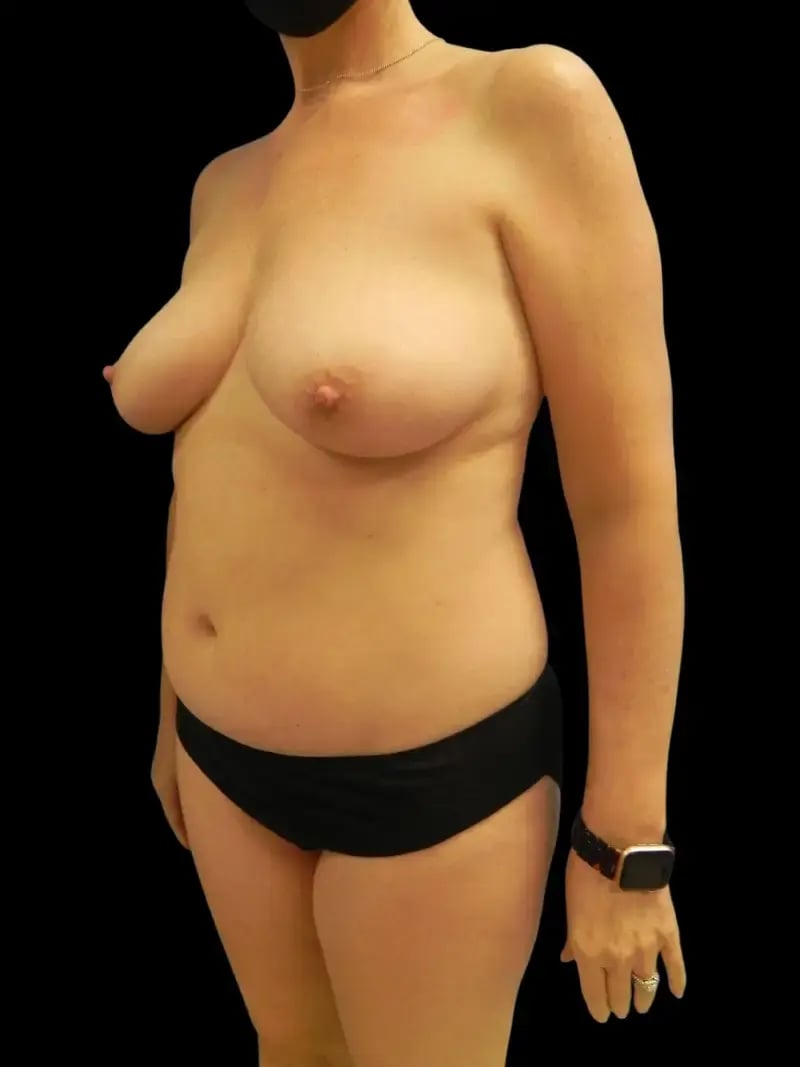
Before & After

See real results from women who’ve trusted PRMA with their reconstruction journey.
Before img-1
Before img-1
Procedure: Bilateral Mastectomy with Immediate High Definition DIEP Flap Breast Reconstruction
Before img-1
Before img-1
Procedure: Bilateral Mastectomy with Immediate High Definition DIEP Flap Breast Reconstruction
Before img-1
Before img-1
Procedure: Bilateral Mastectomy with Immediate High Definition DIEP Flap Breast Reconstruction
Before img-1
Before img-1
Procedure: Bilateral Mastectomy with Immediate High Definition DIEP Flap Breast Reconstruction

Recovery Timeline

  • Week 1:
    During the first week, it’s normal to experience soreness, swelling, and limited movement in the chest and arm area. Rest is essential during this phase, though gentle walking is encouraged to support healthy circulation.
  • Weeks 2-3:
    Pain and swelling typically begin to subside by the second and third weeks. Depending on how much fluid is still draining, most patients have their drains removed during this time. 
  • Weeks 4-6:
    Most women start feeling much better between weeks four and six and resume normal daily routines. If you had reconstruction, your surgical team will closely monitor the flap or implant healing during this time. 
  • Weeks 6-12:
    After six weeks, many patients feel a noticeable return to strength and energy. Most can resume full activities, including exercise, around six to eight weeks.

Am I a Candidate for a Completion Mastectomy?

Deciding whether to undergo a completion mastectomy is deeply personal and often guided by both medical factors and individual peace of mind. During your consultation, we help you explore your options thoroughly so you can make the choice that feels right for your body, your health, and your future.

You may be a strong candidate for a completion mastectomy after a lumpectomy if:

  • You have a new or recurrent cancer diagnosis in the previously treated breast.
  • You’ve experienced ongoing pain, anxiety, or significant asymmetry following breast-conserving surgery.
  • You want to reduce your future cancer risk (especially if you carry a high-risk genetic mutation like BRCA).
  • You’re planning reconstruction and want a more balanced or symmetrical result.
  • You’ve discussed your options with your oncology team and want to take a proactive step toward healing.

Find Your Surgeon

PRMA is the only center in San Antonio, Texas, and one of the few centers worldwide that offers breast reconstruction on such a large scale. Discover why thousands of women travel from across Texas, the US, and the world for their breast reconstruction surgery. We are proud to have a tremendous global reputation for surgical excellence.
minas-chrysopoulo
Dr. Minas Chrysopoulo
Championing Advanced Breast Reconstruction Access Nationwide
gary-arishita
Dr. Gary Arishita
Dedicated to Restoring Confidence Through Expert Reconstruction
oscar-ochoa
Dr. Oscar Ochoa
Board-Certified Plastic Surgeon & Fellow of the American College of Surgeons (FACS)
gary-arishita
Dr. Gary Arishita
Dedicated to Restoring Confidence Through Expert Reconstruction
oscar-ochoa
Dr. Oscar Ochoa
Board-Certified Plastic Surgeon & Fellow of the American College of Surgeons (FACS)

Will Insurance Cover a Completion Mastectomy Procedure?

Insurance will typically cover a completion mastectomy, especially when it’s recommended as part of your breast cancer treatment or risk-reduction strategy. Under the Women’s Health and Cancer Rights Act (WHCRA), insurance providers are also required by federal law to cover breast reconstruction and any procedures needed to achieve symmetry, even if the mastectomy is delayed or performed on the opposite breast.

At PRMA, we work closely with your insurance provider to ensure coverage is clearly understood and your care is as stress-free as possible. You deserve access to the treatment that’s right for you, and we’re here to help make that happen.

For more information, visit Insurance FAQs in the patient resource center.

PRMA - Abdominal Flaps - Preparing for surgery

Preparing for Surgery

Many of our patients travel from out of town for a complete mastectomy procedure. Our team will walk you through every step, from pre-op planning to travel arrangements, to ensure a smooth and supported experience.

Learn more about:

Frequently Asked Questions

Will a completion mastectomy affect the chest muscle or strength?
In most cases, a completion mastectomy removes only breast tissue and does not involve the chest muscle. However, you may experience some tightness or temporary weakness during early recovery.
Will I need chemotherapy or radiation again after a completion mastectomy?
Not necessarily. Whether additional treatment is needed depends on your current cancer diagnosis, margins from your previous surgery, and any new pathology results.
Can I keep my nipple during a completion mastectomy?
That depends on several factors, including your original surgery, cancer location, and whether nipple-sparing techniques are still an option. If it is removed, PRMA offers nipple reconstruction and 3D tattooing to help restore a natural appearance.  
How soon can I have reconstruction after a completion mastectomy?
Reconstruction can often be done immediately during the same surgery, but it can also be delayed depending on your health, cancer treatment timeline, or personal preference. 

Reclaim Peace of Mind—We’re Here to Help