PRMA - Skin-Sparing Mastectomy - Banner-1 (1)

Skin-Sparing Mastectomy

What Is a Skin-Sparing Mastectomy?

A skin-sparing mastectomy is a type of breast cancer surgery that removes the breast tissue while preserving most of the outer breast skin. Unlike a traditional mastectomy, which removes the nipple, areola, and skin, this approach keeps the natural skin envelope intact, creating a more favorable foundation for reconstruction.

Skin-sparing mastectomy is often recommended when nipple preservation is not oncologically safe, but maintaining the breast skin can support improved reconstruction outcomes. When paired with advanced reconstruction techniques, this approach can help restore a natural breast shape while prioritizing cancer treatment.

PRMA -  Hidden Scar Mastectomy_ -What is a Hidden Scar Mastectomy_

Key Information

  • Preserves the majority of the breast skin while removing all breast tissue
  • The nipple and areola are removed, but the skin envelope remains intact
  • Often recommended when nipple-sparing mastectomy is not appropriate
  • Creates an optimal foundation for immediate breast reconstruction
  • Can be safely combined with natural tissue or implant-based reconstruction
  • Supports improved cosmetic outcomes compared to traditional mastectomy
  • Does not compromise cancer treatment when performed in appropriate candidates

What to Expect During Surgery

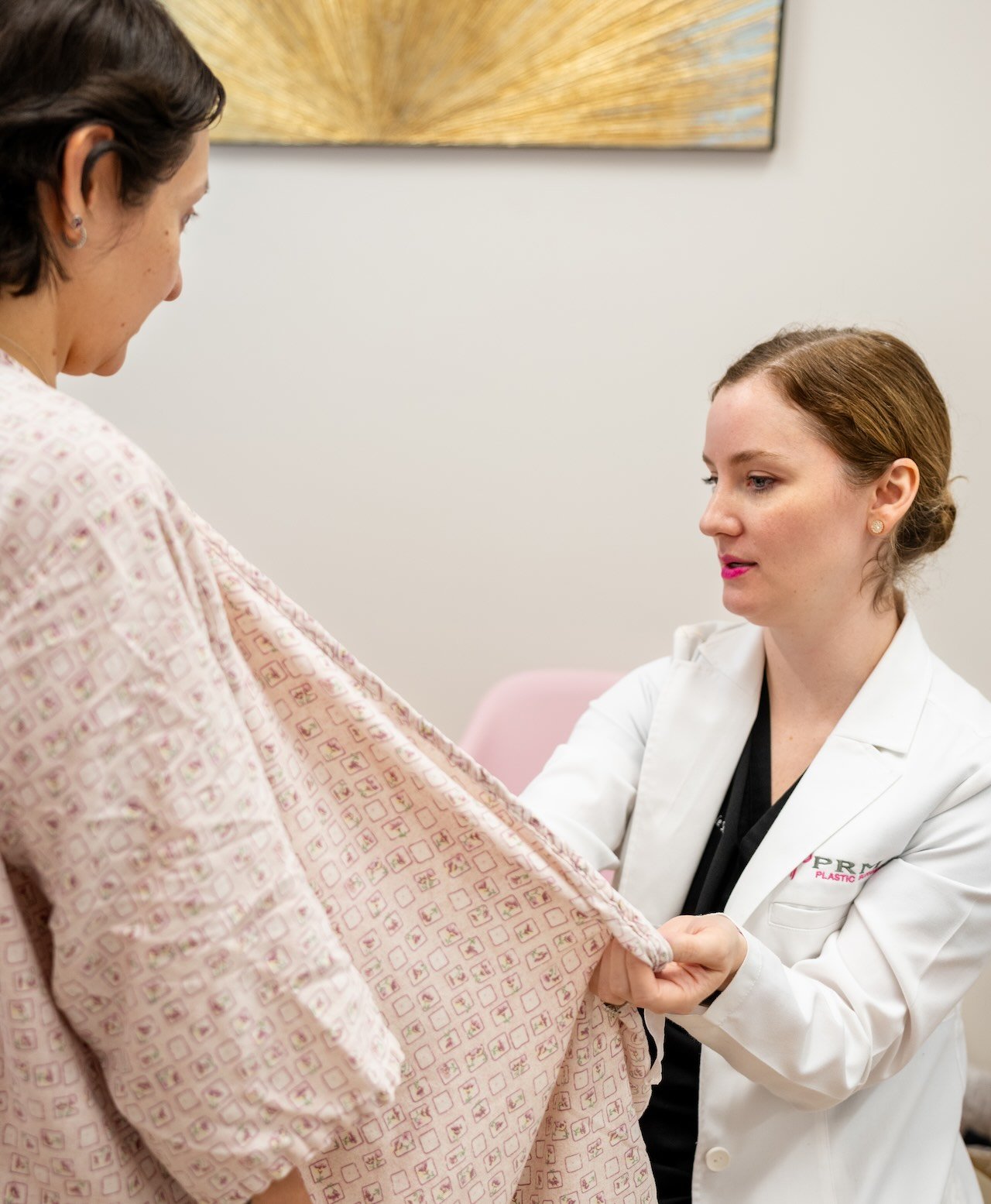
During a skin-sparing mastectomy, your surgeon removes the breast tissue through carefully planned incisions while preserving most of the outer breast skin. The nipple and areola are removed, but the remaining skin is maintained to support reconstruction.

The preserved skin allows the reconstructive surgeon to restore breast shape more naturally, whether reconstruction is performed using natural tissue or implants. As with all mastectomy procedures, the primary goal is complete cancer removal while optimizing reconstructive outcomes.

A skin-sparing mastectomy without reconstruction typically takes a few hours. When combined with immediate reconstruction, total surgery time will vary based on the reconstruction method used.
PRMA - Hidden Scar Mastectomy - What to expect during surgery
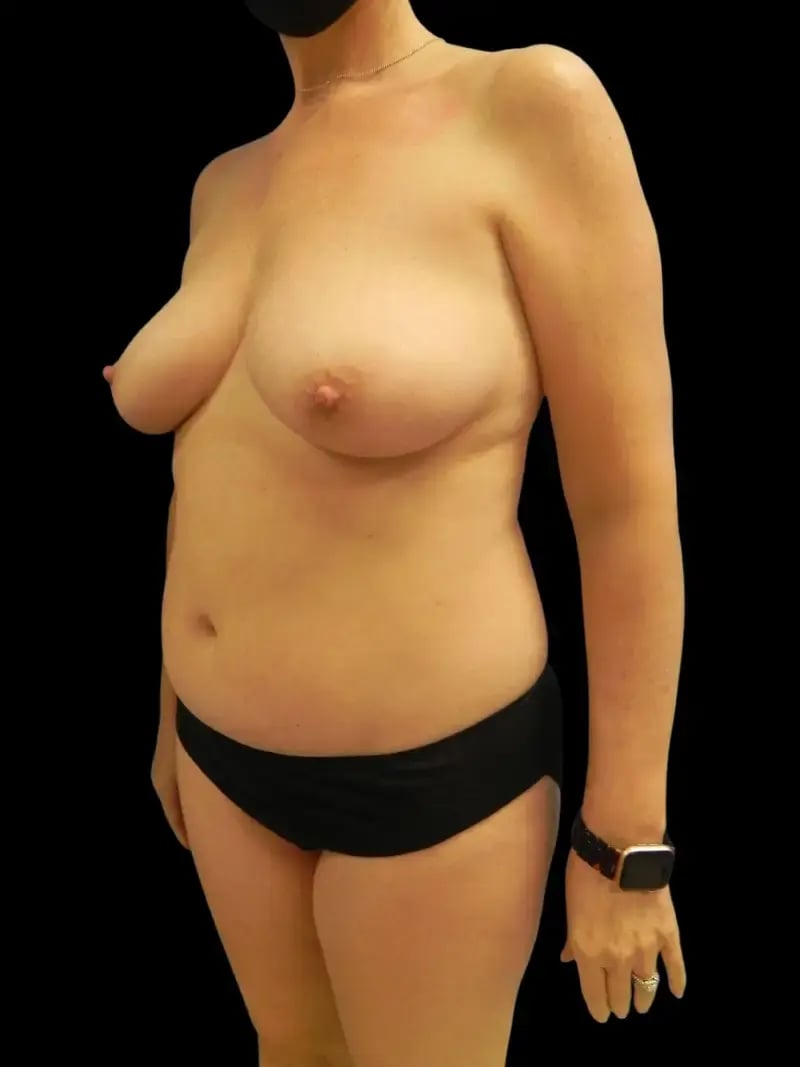
real prma transformations

Before & After

See real results from women who’ve trusted PRMA with their reconstruction journey.
Before img-1
Before img-1
Procedure: Bilateral Mastectomy with Immediate High Definition DIEP Flap Breast Reconstruction
Before img-1
Before img-1
Procedure: Bilateral Mastectomy with Immediate High Definition DIEP Flap Breast Reconstruction
Before img-1
Before img-1
Procedure: Bilateral Mastectomy with Immediate High Definition DIEP Flap Breast Reconstruction
Before img-1
Before img-1
Procedure: Bilateral Mastectomy with Immediate High Definition DIEP Flap Breast Reconstruction

Recovery Timeline

  • Week 1:
    Expect soreness, swelling, and fatigue, particularly in the chest area. If reconstruction was performed at the same time, you may also feel tightness or discomfort related to the reconstruction site. Most patients return home the same day or after an overnight stay. Surgical drains are common during this period and will require daily care. Pain is typically well controlled with medication, and short, gentle walks are encouraged to support circulation and healing.
  • Week 2:
    Swelling and discomfort usually begin to improve, though fatigue is still common. Drains may remain in place depending on healing progress. Light daily activities can be resumed, but lifting, reaching overhead, and strenuous movements should still be avoided. Follow-up visits during this time focus on incision healing and drain management.
  • Weeks 3-4:
    Many patients experience a noticeable increase in energy and mobility. Drains are often removed during this period. Swelling may persist but continues to gradually resolve. Patients who had reconstruction may begin gentle range-of-motion exercises if cleared by their surgeon. Scar care instructions are typically introduced.
  • Weeks 5-6:
    By this stage, most patients return to many normal daily routines, including work that is not physically demanding. Incisions continue to mature, and discomfort is minimal for most patients. Activity restrictions may gradually ease, depending on the type of reconstruction performed.
  • Week 6 and Beyond:
    Most patients are cleared to resume regular activities, including exercise, with guidance from their surgical team. Internal healing continues for several months, particularly if flap-based reconstruction was performed, but patients often report feeling more like themselves as strength and comfort return.

Am I a Candidate for a Skin-Sparing Mastectomy?

A skin-sparing mastectomy may be an excellent option for patients who are not candidates for nipple-sparing surgery but still wish to preserve as much of the breast’s natural appearance as possible through reconstruction.

You may be a strong candidate for a hidden scar mastectomy if:

  • Cancer involves or is close to the nipple or areola
  • Nipple preservation is not considered safe
  • You plan to undergo immediate breast reconstruction
  • You have not had extensive prior radiation to the breast
  • You are medically cleared for surgery and reconstruction
  • You want improved cosmetic outcomes compared to a traditional mastectomy

Find Your Surgeon

PRMA is a national destination for advanced breast reconstruction and reconstructive microsurgery. Patients travel from across Texas, the U.S., and around the world to receive care from our experienced surgical team, known for precision, safety, and long-term outcomes.
minas-chrysopoulo
Dr. Minas Chrysopoulo
Championing Advanced Breast Reconstruction Access Nationwide
gary-arishita
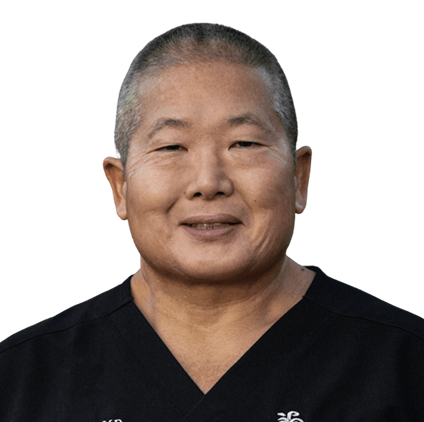
Dr. Gary Arishita
Dedicated to Restoring Confidence Through Expert Reconstruction
oscar-ochoa
Dr. Oscar Ochoa
Board-Certified Plastic Surgeon & Fellow of the American College of Surgeons (FACS)
gary-arishita
Dr. Gary Arishita
Dedicated to Restoring Confidence Through Expert Reconstruction
oscar-ochoa
Dr. Oscar Ochoa
Board-Certified Plastic Surgeon & Fellow of the American College of Surgeons (FACS)

Will Insurance Cover a Skin-Sparing Mastectomy?

Yes. Most insurance plans cover skin-sparing mastectomy as part of medically necessary breast cancer treatment. Under the Women’s Health and Cancer Rights Act (WHCRA), coverage includes mastectomy procedures and any required reconstruction.

At PRMA, we work closely with your insurance provider to ensure coverage is clearly understood and your care is as stress-free as possible. You deserve access to the treatment that’s right for you, and we’re here to help make that happen.

For more information, visit Insurance FAQs in the patient resource center.

PRMA - Abdominal Flaps - Preparing for surgery

Preparing for Skin-Sparing Mastectomy Surgery

Many of our patients travel in from all parts of the country for breast cancer surgery and reconstruction procedures. To help you prepare, our team will walk you through every step, from pre-op planning to travel arrangements, to ensure a smooth and supported experience.

Learn more about:

Frequently Asked Questions

Does a skin-sparing mastectomy remove all the cancer?
Yes. This approach removes all breast tissue while preserving the outer skin. The difference lies in reconstruction potential, not cancer treatment effectiveness.
Can reconstruction be done at the same time?
Yes. Skin-sparing mastectomy is commonly paired with immediate reconstruction using natural tissue or implants.
Will I have sensation after surgery?
Loss of sensation is common after mastectomy. However, PRMA offers advanced options such as TruSense® sensation restoration when reconstruction is performed with natural tissue.
How is this different from nipple-sparing mastectomy?
Skin-sparing mastectomy removes the nipple and areola, while nipple-sparing mastectomy preserves them. Your surgeon will recommend the safest option based on your diagnosis.

Restore Shape While Prioritizing Safety